
Marine observations focusing on blue food – availability, extraction potential, and strategies for sustainable use
How can we use the Baltic Sea's resources, such as fish, invertebrates, and macroalgae, in a sustainable way that strengthens and promotes healthy ecosystems? Where are these environments located? And how can they be used in a sea that is heavily affected by climate change?
"By increasing our knowledge of the Baltic Sea—how its ecosystems are affected by human activity and what sustainable use actually entails—we can take the right steps to safeguard the sea’s resources for the future," says Mathilda Karlsson, a doctoral student in the " Blue Food" program at Uppsala University.
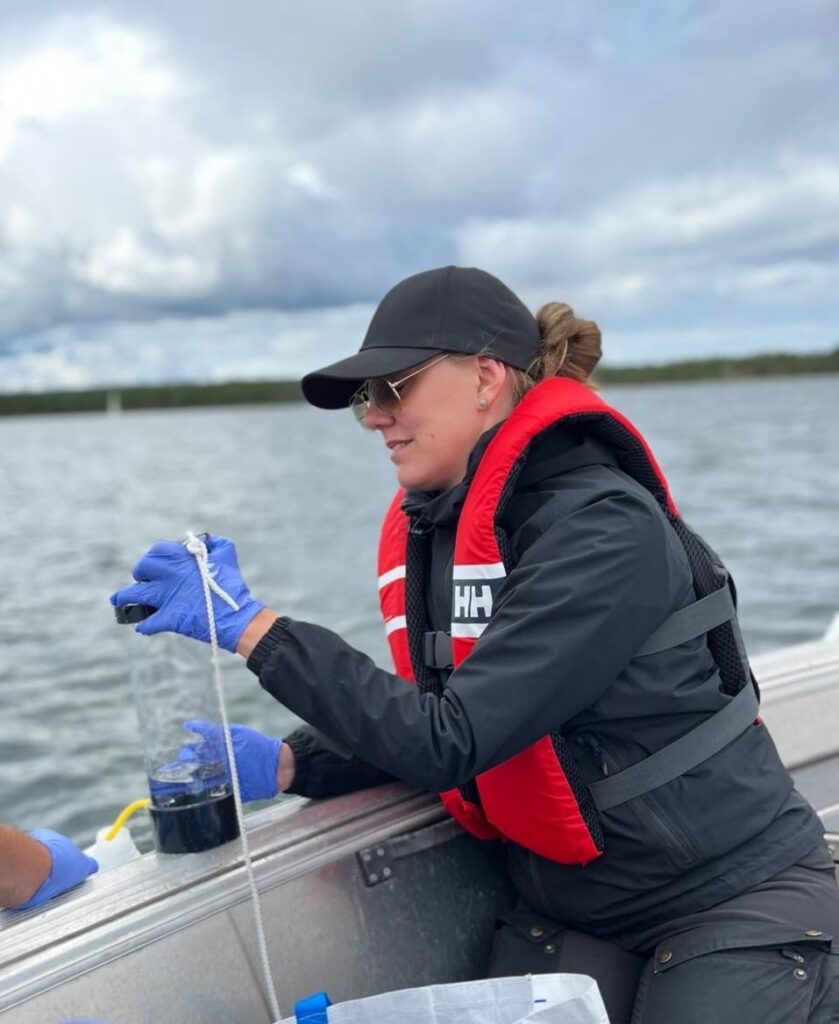
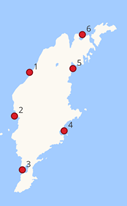
The Baltic Sea ecosystem is heavily impacted by human activity, and a shift towards more sustainable use that promotes ecological growth is needed. But what does sustainable use mean for the Baltic Sea ecosystem? That is what Mathilda Karlsson will investigate. Through a combination of eDNA, video surveys, and experiments both inside and outside the species' habitats in coastal ecosystems on Gotland, she hopes to find answers.
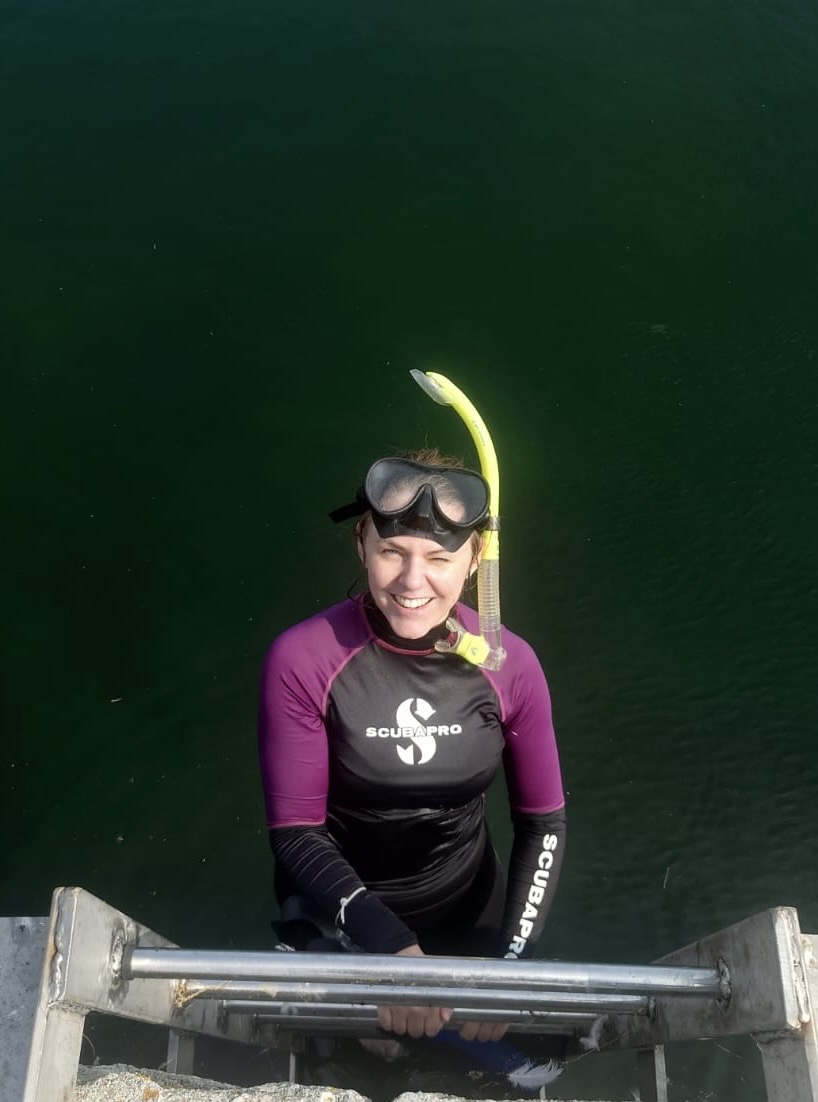
For the most part, I use non-invasive research techniques to minimize my impact on ecosystems. Video surveys and eDNA sampling are very good for this. But to some extent, I will also need to conduct experiments on bladderwrack (Fucus vesiculosus), among other things, to determine how this resource can be used without negatively impacting the population, says Mathilda.
The work will contribute in particular to Blue Food's research area 5: Wild resources and improvement of ecosystem services. This area focuses on strengthening knowledge about wild aquatic resources and their role in ecosystem services in order to contribute to sustainable food production.
Background
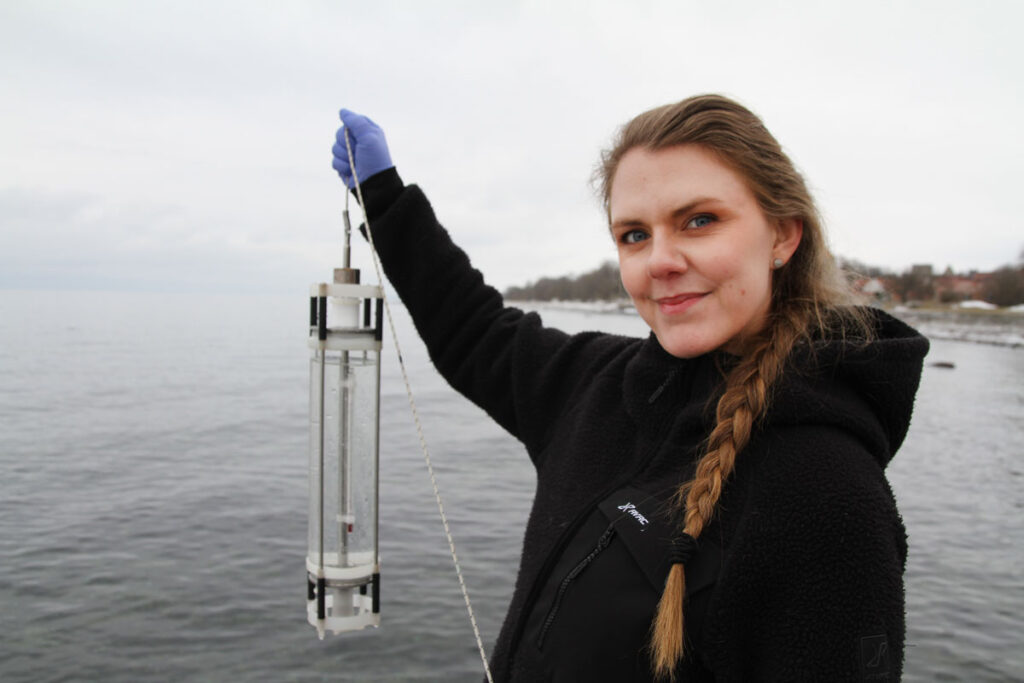
Mathilda has a master's degree in marine biology from Stockholm University. In recent years, she has worked at the World Wildlife Fund (WWF) on nature conservation and sustainability issues relating to the Baltic Sea. She is currently on leave from this position to focus on research into the sustainable use of the Baltic Sea's resources.
Principal supervisor
Lina Mtwana Nordlund and Gunilla Rosenqvist, Uppsala University
Mathilda Karlsson's profile page on the Uppsala University website